

As the foundation of food systems, soil remains the most overlooked resource; many farmers ignore signs of poor soil health, land degradation, low crop yields, and climate-related side effects. The question arises as to why these issues often take a back seat. We spoke to Mr. Joash Otiende, CoELIB Farm Manager and Soil Expert, to understand persistent soil problems, mitigation strategies, ongoing research in Kenya, and more.
Despite being the backbone of food systems, soil health is often overlooked by farmers facing more immediate pressures. CoELIB Farm Manager Joash Otiende shares why this matters and what's being done to change it.
Why do you think communities are reluctant to address soil problems?
Great question; in many Kenyan communities, immediate concerns like food security and income generation often overshadow soil health; this partly limits awareness. Lack of technical knowledge and resources makes it harder for farmers to detect or solve soil issues, even when they recognize them.
You mentioned awareness and technical knowledge. Have you been involved in any soil-related activities to address these areas?
Of course, we are working with farmers to improve soil health, looking at areas like cover cropping and crop rotation techniques to help improve soil structure and fertility; in the future, we hope to roll out soil testing workshops to help farmers understand their soil profiles and nutrient needs.
Better times ahead; how does your day-to-day work at the CoELIB Farm contribute to sustainable agriculture?
As you probably know, sustainable agriculture relies on healthy soil structure and fertility; our everyday practices such as soil conservation, responsible land management, and crop diversification, ensure the productivity we desire and long-term resilience in the face of climate change.
Is there a disconnect between academic research and practical farming?
Absolutely! That's such a good question. Much of existing research is locked in academic institutions, and farmers who need this knowledge don't have access to it. They are restricted, and their inquiries are barely responded to most of the time; that's why we are here to come up with knowledge-sharing models that value farmers and their needs. Field-based research doesn't belong in libraries!
What challenges do you face in involving farmers in soil discussions?
The biggest is that most farmers are reluctant to adopt new methods, and this means that you have to spend so much time creating awareness and mobilizing resources. This is actually understandable; farmers want immediate results, so new methods might take time to be accepted. Another challenge is building trust and demonstrating long-term value.
What inspired your interest in soil science, and what is your message to aspiring soil experts?
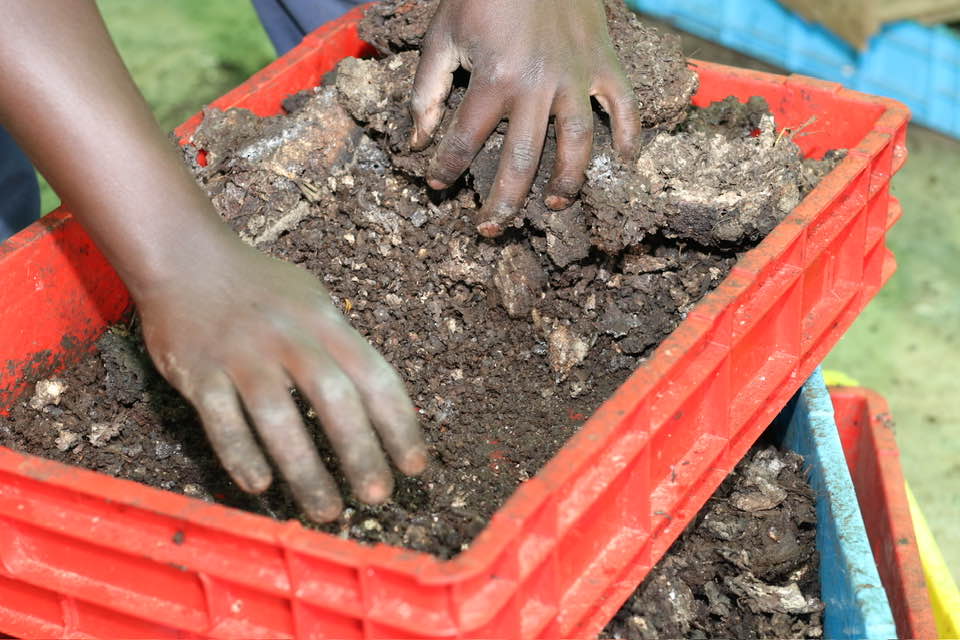
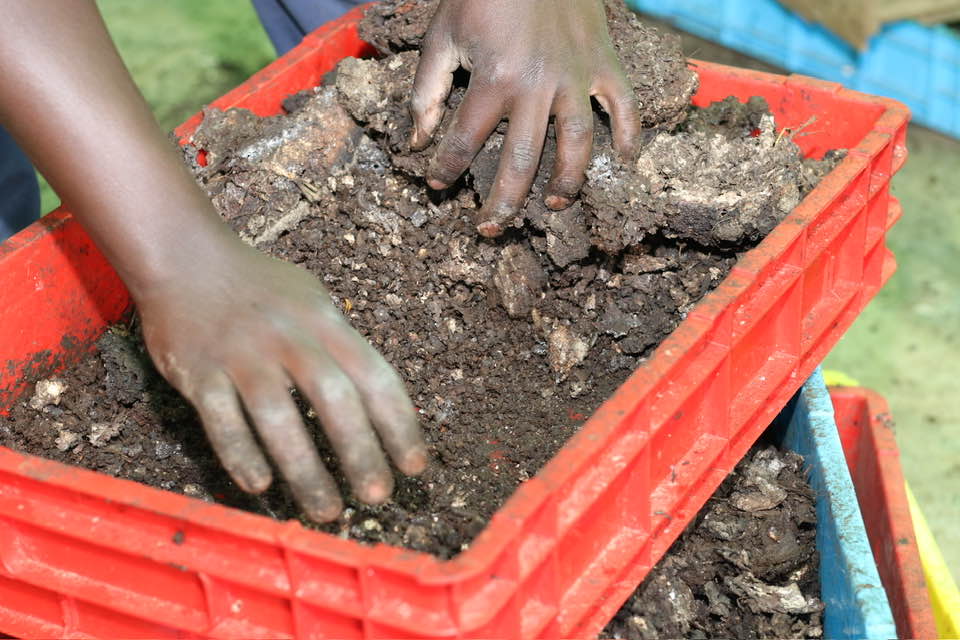
My interest mainly came from the desire to contribute to food security, and every day spent here at the CoELIB Farm fulfills that purpose. My message is simple: prepare to get your hands dirty. Field experience is invaluable. Engage with communities and stay curious.
Thanks to ongoing work by organisations like CoELIB, the future of Kenya's soil and that of farmers looks brighter. As we continue to tackle challenges like climate change, prioritising soil productivity is key to achieving food security and environmental sustainability.