

Farmers across Western and Rift Valley regions are exploring regenerative agriculture practices powered by renewable energy
CoELIB conducted a comprehensive gap analysis between 16th and 20th February 2026 under the Power for Food Partnership to assess opportunities for integrating regenerative agriculture with the productive use of renewable energy across the Western and Rift Valley regions of Kenya.
The study, implemented in collaboration with SNV, was conducted in seven counties—Kakamega, Bungoma, Busia, Kericho, Nakuru, Nandi, and Uasin Gishu—and sought to bridge understanding regarding the current status, challenges, and potential synergies between regenerative agriculture (RA) practices and productive use of renewable energy (PURE) technologies among farmers, service providers, and market actors.
Multi-Stakeholder Approach
The gap analysis used a multi-stakeholder approach that included key informant interviews, focus group discussions, and household-level assessments. Public and institutional service providers—such as county agriculture departments, research institutions, agricultural training centres, extension officers, and non-governmental organisations—were consulted to understand the existing landscape of regenerative agriculture initiatives and renewable energy applications in farming.
Key Research Objectives
- Document current adoption of regenerative agriculture practices
- Assess renewable energy technology deployment in farming
- Identify synergies between RA and PURE integration
- Explore business and financing models for scale
- Understand farmer readiness for innovation adoption
The study sought to document how regenerative agriculture practices—such as soil conservation, organic inputs, and climate-resilient farming—and renewable energy technologies like solar irrigation, processing equipment, and cold storage are currently being adopted, as well as how and if their integration can support agricultural productivity.
Market and Supply Chain Analysis
The research engaged suppliers of regenerative agriculture inputs and energy technologies to examine the types of products and services they offer, their market performance, and demand trends. The analysis also explored emerging business and financing models that could support the integration of RA and PURE solutions at scale.
Farmer Perspectives and Experiences
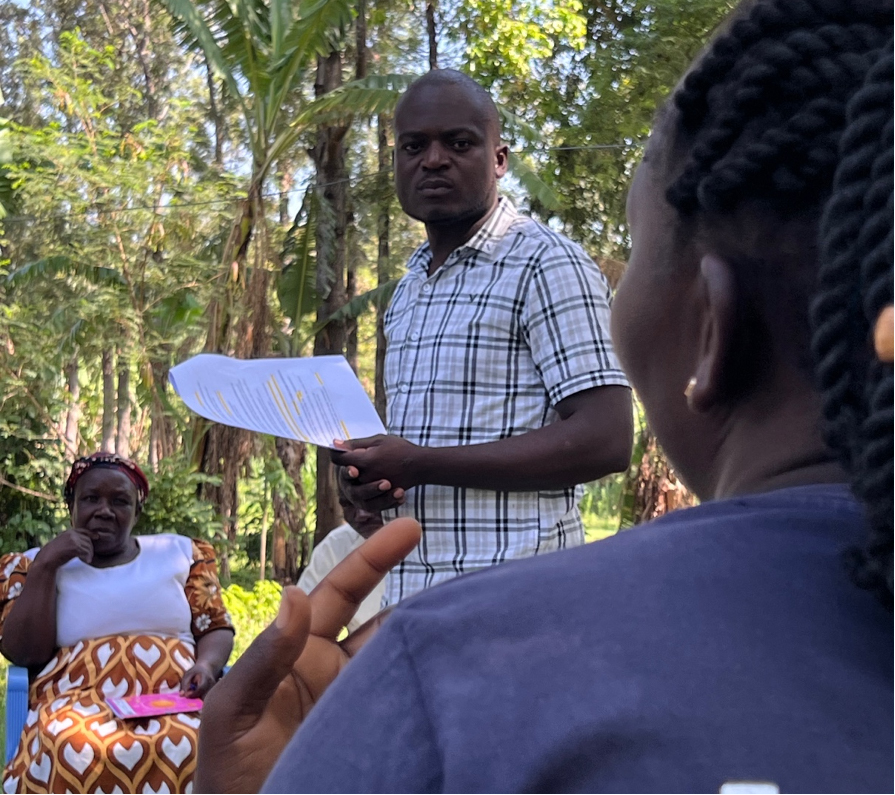
At the farm level, households participating in focus group discussions shared their experiences with agricultural practices, climate challenges, and access to energy. They also discussed their experiences with regenerative agriculture and renewable energy technologies, including their preferences, investment capacity, and readiness to test new innovations.
Farmers highlighted the increasing impact of climate variability on crop yields and the growing need for both water-efficient farming methods and reliable energy sources for irrigation and post-harvest processing.
Expected Impact and Future Directions
Findings from the study will inform policy recommendations and pilot trials aimed at accelerating the adoption of climate-smart farming practices supported by clean energy technologies. Ultimately, the gap analysis is expected to guide future interventions under the Power for Food Partnership, helping policymakers, development partners, and private sector actors design integrated solutions that enhance agricultural productivity, climate resilience, and rural energy access in Kenya.
Next Steps
- Development of policy recommendations for county and national governments
- Design of pilot trials in selected counties
- Creation of financing frameworks for RA-PURE integration
- Capacity building programs for farmers and service providers
- Establishment of monitoring and evaluation frameworks
The comprehensive nature of this gap analysis positions it as a critical foundation for evidence-based interventions that can transform Kenya's agricultural sector through the strategic integration of regenerative practices and renewable energy solutions.