
Vijabiz Project
Youth Economic Empowerment through Agribusiness in Kenya - Building skills, strengthening enterprises, and improving market access for 120+ youth-led groups across three counties.
Vijabiz empowered rural youth in Nakuru, Kilifi, and Nyeri counties through agribusiness development (2018-2021)
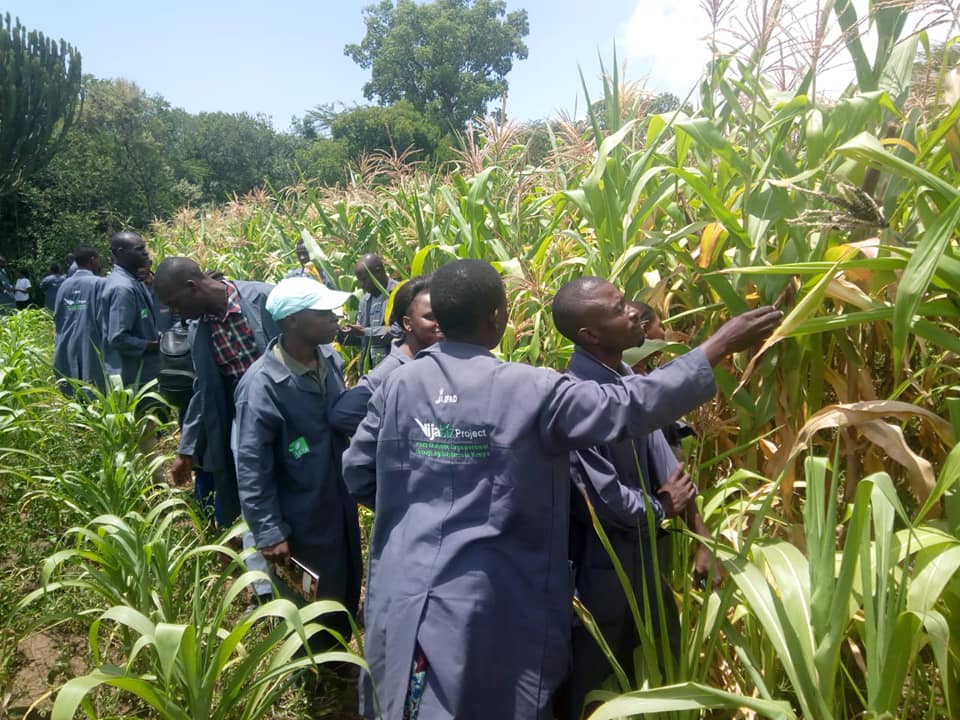
The Vijabiz Project was implemented from 2018 to 2021 with the goal of improving the economic empowerment of rural youth in Kenya through agribusiness development. The project focused on increasing youth participation in key agricultural value chains by building their skills, strengthening their enterprises, and improving access to markets and finance.
Strategic Partnership
CoELIB played a key role in the implementation of Vijabiz, offering business incubation, training, mentorship, and technical support to youth groups. The project was implemented in partnership with the Technical Centre for Agricultural and Rural Cooperation (CTA), with support from the International Fund for Agricultural Development (IFAD).
Implementation Partners
CoELIB (Egerton University)
Lead implementation partner providing business incubation, training, and technical support
Technical Centre for Agricultural and Rural Cooperation (CTA)
Coordinating partner bringing agricultural development expertise
International Fund for Agricultural Development (IFAD)
Funding partner supporting rural youth economic empowerment
Geographic Coverage
Three Implementation Counties
What We Did
CoELIB delivered comprehensive support to youth-led agribusiness groups through four interconnected intervention areas:
1. Group Mobilization & Organization
Mobilized and worked with 120+ youth-led agribusiness groups across selected counties, building their organizational capacity and group cohesion.
2. Targeted Training & Capacity Building
Delivered targeted training in agribusiness management, market development, ICT for agriculture, and financial literacy.
3. Mentorship & Business Coaching
Provided one-on-one mentorship and business coaching through CoELIB's proven incubation framework.
4. Market & Finance Linkages
Facilitated linkages with markets, finance providers, and value chain actors to support enterprise growth.
Key Agricultural Value Chains
Vijabiz increased youth participation across five critical agricultural sectors:
Dairy
Cereals
Poultry
Horticulture
ICT4Ag
Programme Impact
The Vijabiz Project achieved significant outcomes across four key impact areas:
1. Increased Youth Income
Generated increased income for rural youth through viable agribusiness ventures, creating sustainable livelihoods and economic independence.
2. Enhanced Value Chain Participation
Improved youth participation in the dairy, cereals, poultry, horticulture, and ICT4Ag sectors, diversifying economic opportunities.
3. Inclusive & Gender-Sensitive Development
Promoted inclusive and gender-sensitive approaches to rural agribusiness development, ensuring equitable opportunities for all youth.
4. Sustainable Enterprise Growth
Strengthened the sustainability and scalability of youth agribusiness enterprises through capacity building and market linkages.
CoELIB's Incubation Framework
The Vijabiz Project leveraged CoELIB's proven business incubation framework, which provides:
- Pre-Incubation Support: Idea validation, feasibility assessment, and business model development
- Incubation Services: Workspace, equipment access, technical training, and mentorship
- Post-Incubation Follow-up: Ongoing coaching, market linkages, and scale-up support
- Network Access: Connections to investors, suppliers, buyers, and technical experts
- Peer Learning: Youth-to-youth knowledge exchange and collaboration
Training Focus Areas
The comprehensive training programme addressed critical capacity gaps:
- Agribusiness Management: Planning, operations, financial management, and record keeping
- Market Development: Market research, customer relations, pricing, and sales strategies
- ICT for Agriculture: Digital tools for farm management, marketing, and information access
- Financial Literacy: Budgeting, saving, credit management, and investment planning
- Value Addition: Processing, packaging, branding, and quality standards
- Group Dynamics: Leadership, governance, conflict resolution, and teamwork
Market and Finance Linkages
A critical component of Vijabiz was facilitating connections that enabled youth enterprises to thrive:
- Market Linkages: Direct connections to buyers, processors, exporters, and retail outlets
- Finance Access: Introductions to banks, microfinance institutions, SACCOs, and grant programmes
- Input Suppliers: Relationships with quality input providers offering favorable terms
- Technical Services: Access to extension workers, veterinary services, and agricultural experts
- Peer Networks: Connections with other youth entrepreneurs for learning and collaboration
Gender and Inclusion
Vijabiz prioritized inclusive participation, ensuring:
- Gender balance in training and mentorship programmes
- Special attention to barriers facing young women in agribusiness
- Support for mixed-gender youth groups
- Gender-responsive business models and practices
- Addressing social and cultural barriers to youth participation
- Creating safe and supportive spaces for all youth
Programme Legacy
Vijabiz remains a cornerstone of CoELIB's work in promoting youth-led transformation in agriculture. The project laid the foundation for continued innovation, entrepreneurship, and leadership among young people in rural Kenya, turning agriculture into a platform for youth opportunity and economic growth.

Lessons Learned
The Vijabiz experience generated valuable insights for future youth agribusiness programmes:
- Group Approach Works: Working with organized youth groups creates peer support and shared learning
- Comprehensive Support Needed: Youth need both skills training and practical business support
- Market Linkages Critical: Technical skills alone aren't enough without market access
- Mentorship Matters: One-on-one coaching significantly improves business outcomes
- ICT Integration Essential: Digital tools enhance efficiency and market access
- Gender Sensitivity Required: Intentional focus on inclusion yields better participation
- Local Context Matters: Interventions must be adapted to county-specific conditions
Sustainability Beyond the Project
Vijabiz established foundations for long-term impact:
- Strengthened youth groups continuing to operate independently
- Established market relationships providing ongoing opportunities
- Trained youth leaders serving as mentors to others
- Demonstrated models that can be replicated in new areas
- Changed perceptions of agriculture among rural youth
- Created networks that continue facilitating collaboration
- Built institutional capacity at CoELIB for youth programming
Through Vijabiz, CoELIB demonstrated that with the right support, rural youth can become successful agribusiness entrepreneurs, creating employment for themselves and others while contributing to food security and rural economic development.