

Empowering Voices for a Resilient Food System
Voices for Sustainable Food Systems and Quality of Life
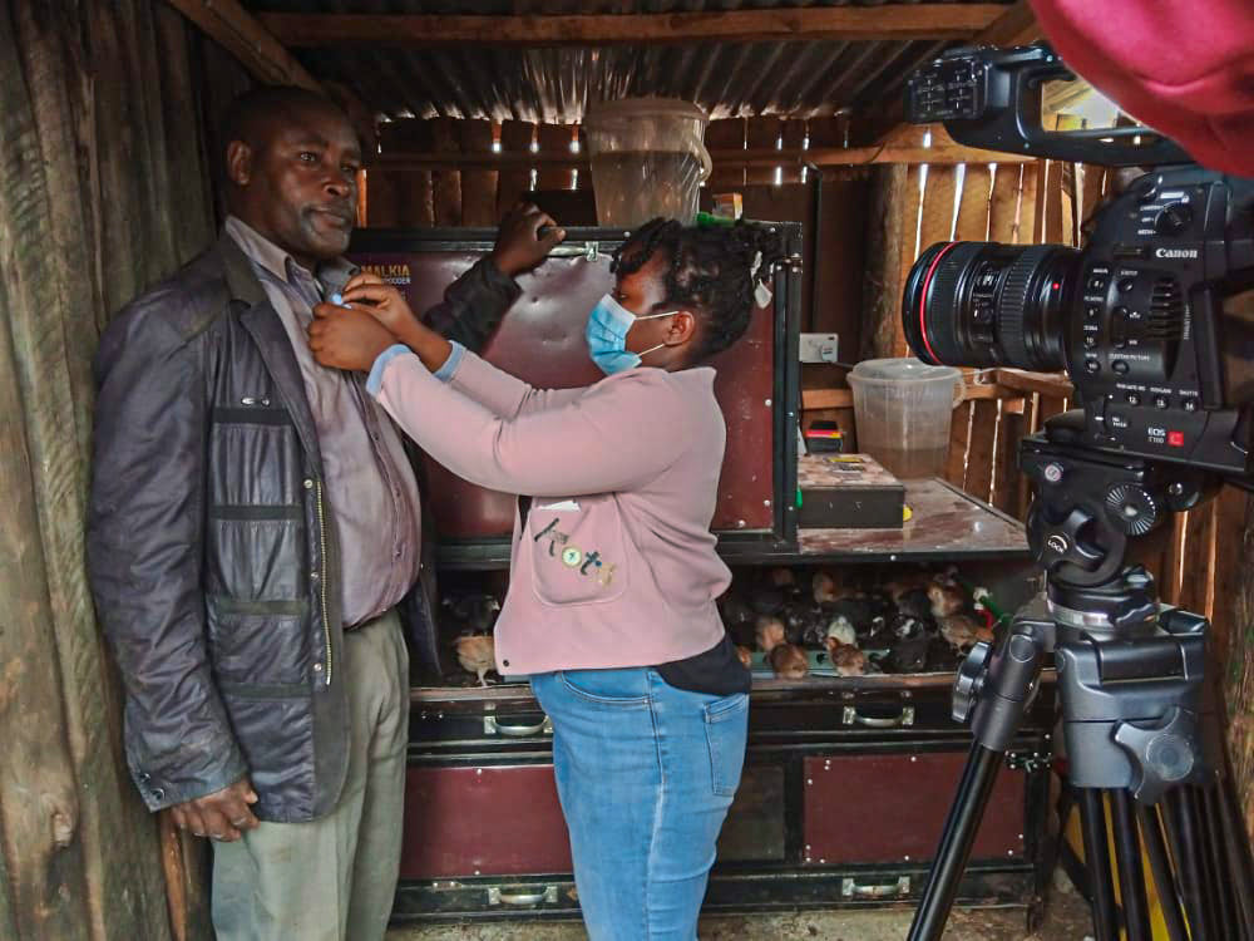
Communication and advocacy remain critical assets to food systems transformation. The “Voices for Sustainable Food Systems and Quality of Life (VFL)” tackles such challenges by leveraging communication, media, and advocacy for enhanced productivity, food security, sustainability, and holistic societal well-being.
This approach involves three interlinking facets: (1) awareness, i.e., increasing understanding, knowledge, or consciousness about particular issues; (2) advocacy, i.e., designing and implementing strategic messaging to inform, educate, and influence decision-making; and (3) behaviour change communication (BCC), i.e., influencing adoption by addressing knowledge, attitudes, and practices.
Key Objectives
Key actions of CoELIB’s sectoral transformational interventions include:
- Raising awareness about food security challenges and solutions
- Strengthening stakeholder collaboration across food systems
- Uniting science, technology, and indigenous knowledge to scale best practices
- Influencing policy in favour of inclusive and sustainable food systems,
- Empowering local communities with actionable information
- Strengthening ownership
Strategies and tools
- Multi-platform engagement [CoELIB TV (http://tv.coelib.org), Radio (https://radio.coelib.org) and inFocus Newsletter (https://coelib.org/index.php/coelib-infocus)] to strengthen agri- and food-system-focused communication and media.
- Digital spaces [YouTube, Facebook, X, LinkedIn, WhatsApp] where stakeholders engage for greater impact multiplicity. Through these platforms, VFL programming reaches more than 3,000 local and international viewers and listeners per month.
- Artificial intelligence (AI) tools like live chatbots, the call centre, and other automated response systems relay information about cross-cutting issues affecting agricultural productivity within local contexts.
- Community forums, voices and scientific conventions for strengthening advocacy and agency in food system sustainability. Local languages and cultural contexts are also widely adopted across messaging and advocacy campaigns.
- Upscaling partnerships to strengthen advocacy and agri-journalism by engaging leading media outlets in dissemination and outreach interventions while serving as critical sustainability tools for scaled advocacy.
VFL benefits from a resourceful bank of business incubation and market development, technical assistance and consulting, and research, development, and commercialisation initiatives implemented by CoELIB and stakeholders across more than 49 countries in sub-Saharan Africa.
The VFL framework encompasses various stakeholders, including universities, researchers, farmers, decision-makers, the public, and the private sector, forming a resourceful pool of evidence for developing sustainable food systems.

Key outcomes
VFL seeks to scale increased stakeholder awareness and knowledge on climate resilience, food systems development, and agricultural productivity; behaviour change within living labs, digital communities, and other agri-based platforms; stakeholder engagement and science, technology, and indigenous knowledge linkages; and policy influence for long-term improvements in the quality of life.
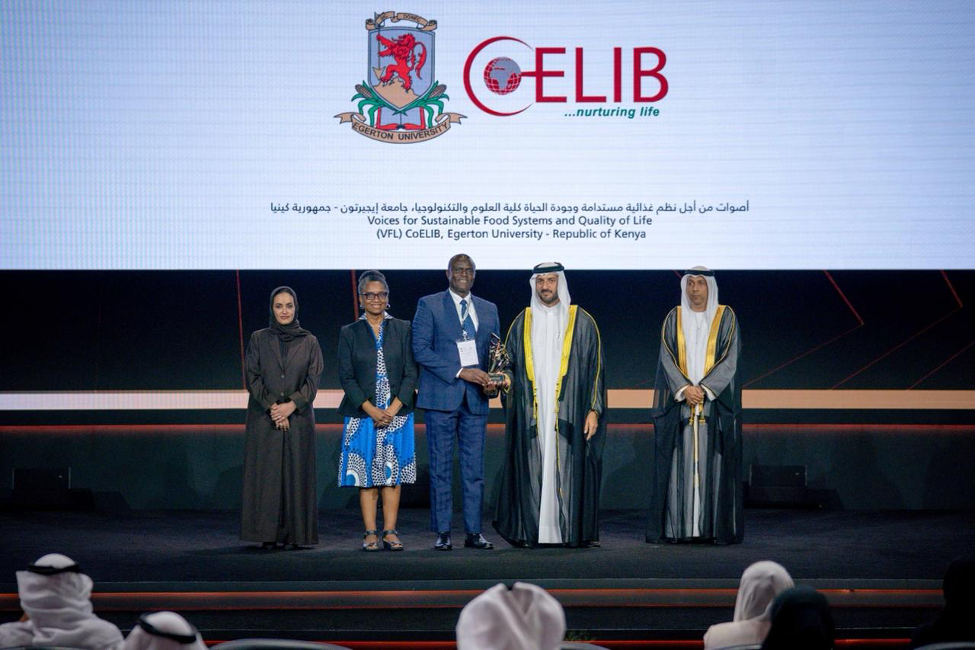
VFL was recently recognised at the Sharjah Government Communication Award (SGCA 2025) on 11th September 2025 in the United Arab Emirates (UAE) for its creativity and effectiveness in empowering and informing communities towards a more sustainable and inclusive future.