

Kenya's bioeconomy holds immense potential for driving sustainable growth, building climate resilience and creating jobs. Despite this, the country still faces undeniable research gaps and challenges in policy and skill development; institutions of higher learning lack capacity to deliver curriculums specialised in bioeconomy, and research systems remain weak. On the government side, strategies are not backed by value propositions, turning away potential private investors.
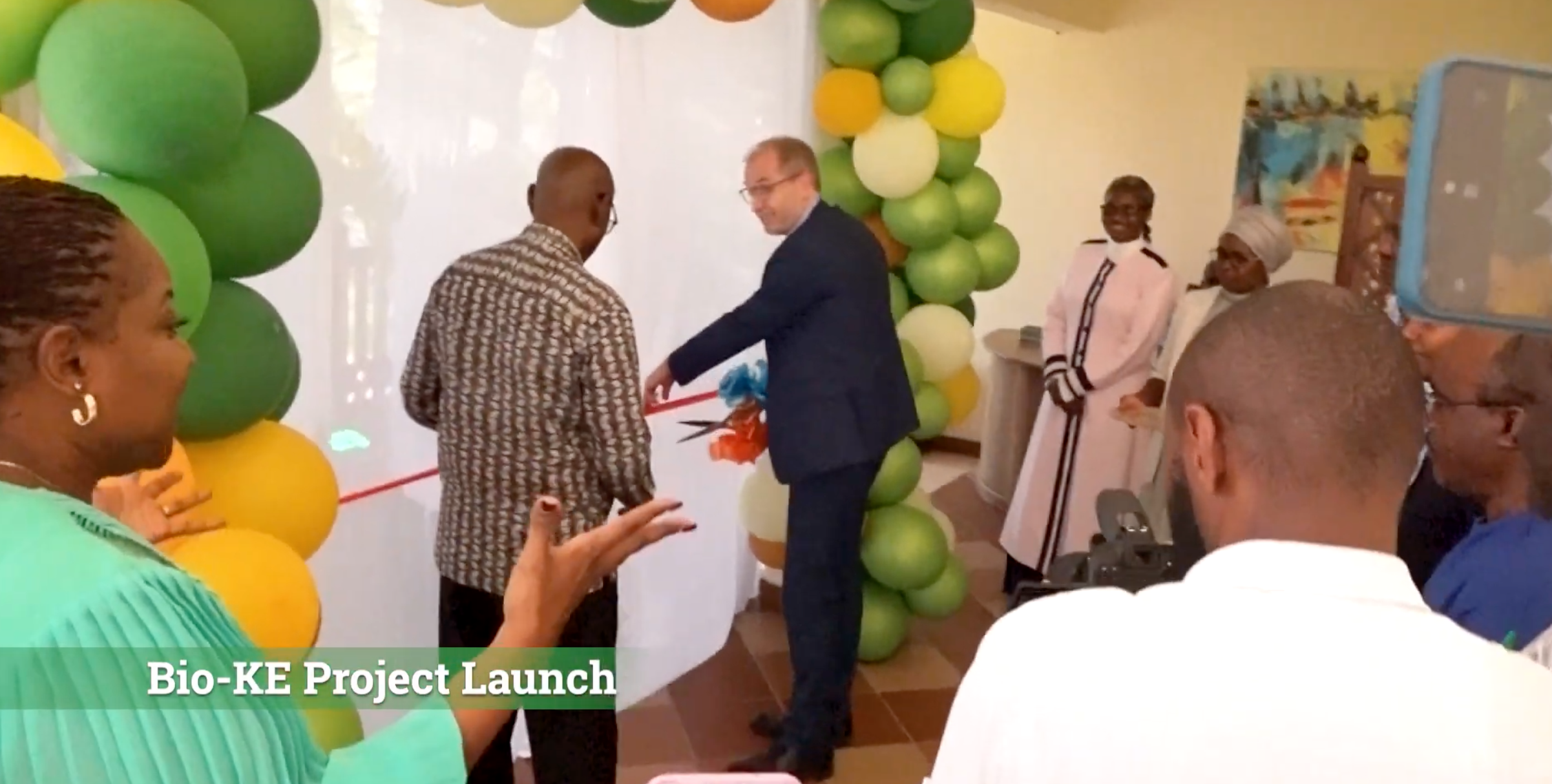
The National Bioeconomy Educational and Policy Framework in Kenya (Bio-KE) project was launched on the 4th of October at Pwani University, Kenya, to address these challenges. Bio-KE seeks to unlock Kenya's bioeconomy potential and position the country as a leader in green innovation in Africa, demanding more from education, policy, and innovation.
The project directly speaks to pressing issues such as climate change, inequalities, and environmental degradation, owing to the fact that Africa has an abundant biomass from forestry, agro-industry, and agriculture. With the right structures, this can create more green jobs and fuel sustainable growth. Bio-Ke provides a pathway for this transition.
Bio-KE is anchored on four main objectives:
- Building institutional capacity so universities and government agencies can design and govern a credible National Bioeconomy Education Framework.
- Developing new curricula and training programmes that equip students with practical, market-ready green skills.
- Strengthening collaboration between higher education institutions and entrepreneurs, linking research with innovation, incubation, and enterprise development, while also learning from European partners.
- Establishing Bioeconomy Community Living Labs (CLLs), which act as open platforms for co-creation and problem-solving with communities, industry, and policymakers.
These elements connect education with enterprise, ensuring talent is not just trained but also absorbed into productive sectors of the economy. Bringing together civil society, local communities, government, and universities, the project seeks to position Kenya's bioeconomy globally as a competitive force while also aligning with East Africa's regional bioeconomy strategy and Kenya's Vision 2030.
CoELIB, Egerton University, is a proud partner in this work. With its track record in agribusiness incubation, research, and policy engagement, CoELIB is helping to build the skills, shape the policies, and open the opportunities that Kenya needs for a thriving bioeconomy. This partnership underscores the role of universities not only as places of learning but as engines of innovation and transformation.
Looking ahead, the project is a commitment to sustainable growth, by weaving research, policy, enterprise, and education into one framework, Bio-KE lays the foundation for lasting change, one that positions Kenya as a regional leader in the bioeconomy but also shows how innovation and collaboration can reshape Africa.